

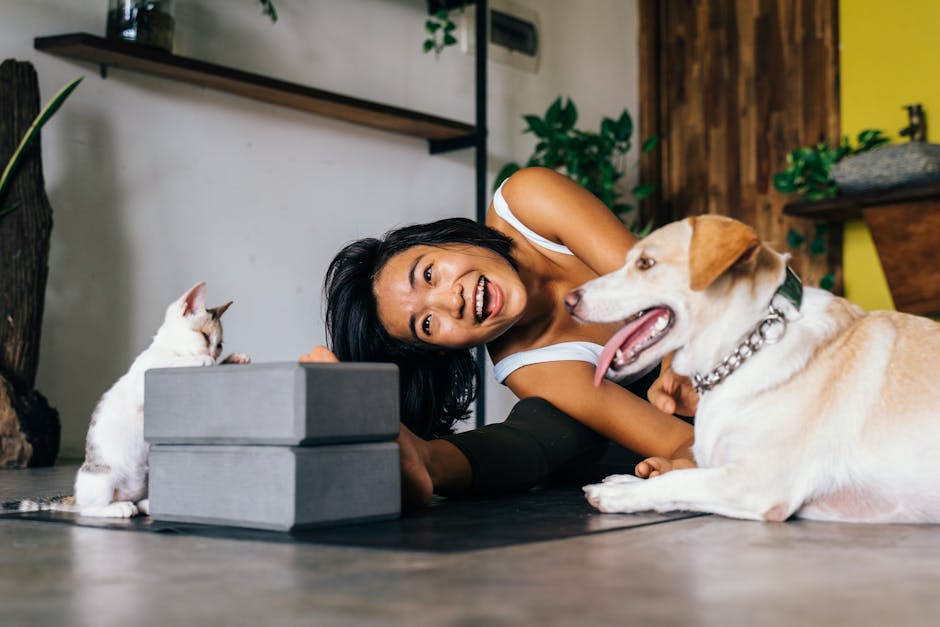
If your dog paces or your cat hides more than usual, it’s tempting to think, “They’re just being difficult.” But inside boredom can look a lot like stress. The good news: the right dog vs. cat enrichment for indoor mental health can change their whole mood—fast.
Quick answer: Dogs usually need short, structured “work” (sniffing, training games, puzzle feeders), while cats do best with choice-based play (wand hunting, climbing, hiding, scent games). Both species benefit from predictable routines, but the “how” is very different.
Dog vs. Cat Enrichment (Indoor Mental Health) — What’s the real difference?
Enrichment is anything that keeps your pet’s mind busy and their body moving in a healthy way. For mental health, the key is making the activity match the animal’s natural style.
In my home, I learned this the hard way. I treated my dog like he was a small cat—more “chill” time and less structured play. He got louder and more restless. When I switched to sniff games and daily training, his stress dropped within a week. Cats, on the other hand, don’t want “obedience sessions” the same way. They want choice, safe cover, and movement on their terms.
What counts as “mental work” indoors?
Mental work is not just giving a toy. It’s asking your pet to solve something: find the treat, predict where the toy will appear, or learn a new cue.
For dogs, mental work often looks like scent, problem-solving, and learning. For cats, it looks like hunting play, stalking, climbing routes, and safe hiding.
Best indoor enrichment for dogs: 7 activities that reduce stress
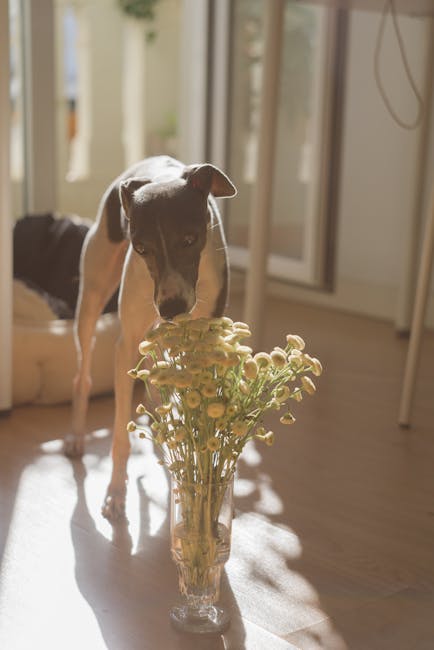
For dogs, the most calming indoor enrichment usually has three parts: scent (smell), structure (clear start/stop), and short sessions (5–15 minutes). Try these, in this order, because it works for most homes in 2026 standards.
1) Indoor sniff walks (no leash required)
This is my favorite “low effort, big payoff” tool for indoor dog enrichment. Sniffing uses the brain in a way that feels soothing, not chaotic.
- Pick one room or hallway.
- Hide 10–20 pieces of kibble or tiny treats.
- Use a cue like “find it,” then let them search for 3–5 minutes.
- Stop while they still want more.
Time goal: 10 minutes total, once or twice a day. If your dog is new to scent games, start with fewer treats and more open spaces.
2) Puzzle feeders (but choose the right level)
Puzzle toys are great, but most people buy one “hard” toy and then get frustrated when their dog gives up or gets frustrated. The best puzzle is the one your dog can solve with a little effort, not a lot of stress.
Look for step-up toys that start easy. Brands like KONG and Outward Hound make different difficulty levels, which helps you match the toy to your dog’s confidence.
Tip I use: For a brand-new puzzle, smear a little wet food in the easiest channel so success is guaranteed. Then gradually make it harder over a few days.
3) Training games that calm instead of excite
Training is enrichment when it’s short and predictable. It becomes stress when you repeat and repeat and your dog never “wins.”
Try this simple set: practice sit, down, and touch (nose to hand) with 5 treats, then end. Keep your tone calm and your sessions under 5 minutes.
4) Tug with rules (yes, it’s mental work)
Tug can calm some dogs because it gives controlled intensity. But “free-for-all tug” can turn into frustration or guarding.
Use a simple rule: tug for 10 seconds, then “drop it,” then 1 treat, then end. Repeat 3–5 times. Stop before your dog gets over-aroused.
5) DIY “find the toy” scatter
This works especially well for dogs that get bored with the same toys. Toss 5–10 small toys or balls through a limited area, then point and cue “find it.”
It’s also a good way to reduce leash barking when you’re stuck inside. The goal is to keep them searching instead of rehearsing the barking pattern.
6) Gentle “mat work” (settle training)
Mat work is enrichment that trains your dog’s off-switch. It’s also a big help when you have guests or need a calm dog in the house.
Start by tossing a treat on a mat. Add a cue like “place.” Once your dog lays down, reward calm behavior. Keep sessions tiny and successful.
7) Short obstacle courses at home
You don’t need agility equipment. Use pillows, a broom laid flat, or chair jump-offs with supervision. Dogs learn better when the course is consistent and not too confusing.
Beginner course: 1 jump (low), 1 weave with two chairs, 1 tunnel made from a blanket over a couch. Do it twice, then stop.
Best indoor enrichment for cats: 8 activities that protect mental health
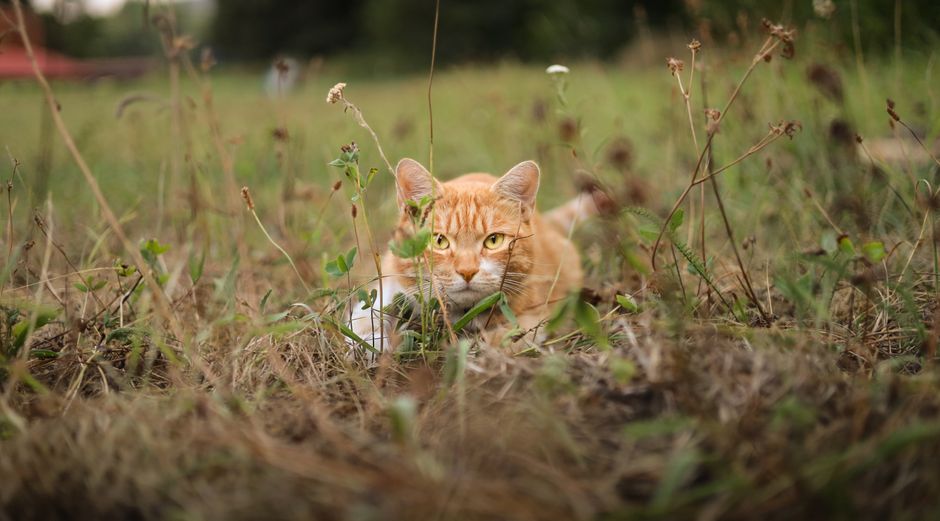
For cats, indoor mental health enrichment is mostly about choice, vertical space, and hunting play. If you force a cat to “perform,” you often get more hiding and stress.
1) Wand play with a “hunt-hold-eat” rhythm
Cat enrichment is not random running around. Most cats calm down when play is structured like hunting: chase, pause, and reward.
- Chase the wand for 20–40 seconds.
- Pause so your cat can “catch” the moment.
- Reward with a treat or a second short chase.
- End when your cat is still engaged.
Time goal: 10–15 minutes total, once or twice a day.
2) “Hunt” feeding (especially if your cat free-feeds)
Most indoor cat boredom isn’t about hunger. It’s about repeated idle time. Feeding in puzzle-style ways turns meals into mental puzzles.
Try a food scatter on a safe blanket in one room, or use a treat dispenser that rolls slowly. Slow is important: fast movement can frustrate some cats.
3) Cardboard hideouts and scent play
Hiding is not “bad behavior.” It’s a coping tool for many cats. Give them better hiding options so they’re not stuck under your bed all day.
Use cardboard boxes, a paper bag tunnel, or a covered cat bed. Add scent to keep it interesting: rub a cloth with a little tuna juice (safe for pets), then place it near the box.
4) Vertical routes (cat shelves count)
If your cat can climb up and watch you, their brain gets “jobs” without you doing anything.
Even one wall shelf or a sturdy cat tree in a sunny window helps. I like setting up a route: step to shelf, shelf to window perch, window perch to hammock.
5) Rotating toys (the “newness” trick)
What most people get wrong: leaving the same 5 toys out all the time. Cats often stop caring because toys become background noise.
Use a simple rotation: keep 10 toys in a bin. Put out 2–3 for 3–4 days, then switch them. Most cats act like they’ve never seen the toy before.
6) Laser pointers—use carefully, not forever
Laser play can be intense, but it can also create frustration when there’s no “catch.” If you use a laser, always end with a real toy or treat they can bite.
My rule: Laser gets 1–2 short sessions a week, max, and it always ends with a tangible reward.
7) Training for cats: easy cues that build confidence
Cats can learn cues, but you need patience and tiny rewards. Start with “touch” (nose to finger) and “come” using their favorite treat.
Do 5 touches in a row, then stop. Cats are smart, but they get bored fast when you repeat too much.
8) Enrichment for litter-box stress (yes, it’s enrichment)
If your cat seems anxious about the litter box, enrichment isn’t just play. It’s also reducing stress around elimination.
In 2026, best practice is keeping the litter area quiet, scooping at least once daily, and using an uncovered or lightly covered box based on your cat’s comfort. If you have multiple cats, provide enough boxes plus one extra.
Side-by-side comparison: dog vs. cat enrichment ideas that actually work indoors
Here’s the quick comparison I use when someone asks me which activities to start first. It’s not about which is “better.” It’s about what your pet’s brain is built to enjoy.
| Indoor enrichment type | Best for dogs | Best for cats | Why it helps mental health |
|---|---|---|---|
| Scent games | Sniff walks, hidden treats | Optional (scent cloth near hideouts) | Smell is calming and focused |
| Training / cues | Short sit/down/touch, mat work | Touch, come, simple targets | Predictability reduces stress |
| Puzzle toys | Puzzle feeders, KONG stuffing | Food puzzles, treat rollers | Solving problems keeps the brain busy |
| Play style | Tug with rules, fetch variations | Wand hunt, stalking games | Releases energy in the right pattern |
| Space setup | Clear “play zone,” gate off areas | Vertical shelves, hidey spots | Space reduces “stuck” feelings |
My opinion: boredom isn’t the same as rest
Boredom feels like “nothing to do.” Rest feels like “I’m safe and calm.” Dogs often need structure to feel safe. Many cats need cover and vertical views to feel safe.
If your dog is calm only when they’re doing something, give them a daily plan. If your cat is calm only when they can retreat, set up hideouts and routes instead of adding more toys.
Common mistakes people make with dog vs. cat enrichment indoors
Most enrichment fails because it’s either too random, too long, or not matched to the animal’s instincts. Here are the big mistakes I see every week.
1) Mixing up “high energy” play with mental health goals
It’s okay if play is fun. But if your goal is mental health, watch your pet’s arousal level. If your dog is bouncing off the walls after play, you need shorter sessions and more settling games.
If your cat looks “zoomed out” or starts growling, end play and switch to quiet enrichment like a safe box or a slow food puzzle.
2) Doing enrichment at random times
Dogs and cats both do better with predictable routines. In my house, I do most enrichment in the same windows: morning sniff game, afternoon toy rotation, evening settle or wand play.
You don’t need a strict schedule, but you do need a pattern.
3) Leaving puzzles too hard (or too easy)
Too hard can cause frustration. Too easy turns into “meh.” Use quick check-ins: if your dog gives up in 2 minutes, loosen the difficulty. If your dog finishes too fast every time, make it harder.
Cats are similar. If they ignore the puzzle, reduce the step or add a stronger scent reward.
4) Forgetting about health issues
If your pet suddenly becomes more anxious, enrichment is not a replacement for a vet check. Pain, urinary issues, arthritis, ear problems, and dental pain can all change behavior.
This connects with our Animal Health content too—when behavior changes fast, health comes first.
People Also Ask: quick answers about indoor enrichment for dogs and cats
How long should indoor enrichment sessions be for dogs?
Most indoor enrichment for dogs works best in short bursts: 5–15 minutes per session. If your dog is young, energetic, or under-exercised, you can do 2–3 short sessions instead of one long one.
End while they still want more. The “stop point” helps your dog learn that calm is the win.
How long should indoor enrichment sessions be for cats?
For cats, 5–15 minutes is usually plenty. Wand play often fits a few rounds with breaks, then you end the session before they get overstimulated.
If your cat runs away mid-session, that’s information. Switch toys, lower intensity, or try a food puzzle instead.
What is the best indoor enrichment for a dog with anxiety?
The best indoor enrichment for dog anxiety is predictable structure plus calming scent or settle work. I usually start with sniff games, mat work, and brief training cues done quietly.
If your dog has severe anxiety signs (panic, destructive behavior, or refusing food), talk to your vet and a certified trainer. Enrichment helps, but safety comes first.
What is the best indoor enrichment for cats that scratch furniture?
Scratch behavior often means your cat needs a better outlet. Give scratching posts at the right height and place them near where your cat currently chooses to scratch.
Then add enrichment that meets their movement needs: wand play, climbing options, and slow feeding puzzles. This helps reduce that “frustration energy.”
Can dogs and cats share enrichment activities indoors?
They can share space, but not the same activity the same way. Don’t do scent games that require constant supervision if your cat is the kind to “steal” or hide treats.
Instead, set separate zones: a sniff game area for the dog and a climbing/hide area for the cat. When they’re both safe, let them enjoy their own mental work.
Do enrichment toys work better than human play?
Toys work best when they’re part of a plan. Human play matters because it adds communication and timing—like the pause in wand play or the “drop it” in tug.
In 2026, the best standard is a mix: one guided activity with you plus one independent puzzle or rotational toy.
A simple weekly indoor plan (use this for both dogs and cats)
This is a starter plan you can run for two weeks. If your pet improves, keep it. If not, adjust intensity or talk to your vet.
Daily baseline (every day)
- 1 short training session for dogs (5 minutes) or cat touch training (3–5 reps).
- 1 food-related enrichment: puzzle feeder for dogs, food puzzle or treat roller for cats.
- 1 movement/playing block: tug rules or obstacle course for dogs; wand hunting for cats.
Weekly rotation (so boredom doesn’t win)
- Mon: dog sniff walk + cat wand hunt
- Tue: dog puzzle feeder (easy setting) + cat toy rotation (switch 2–3 toys)
- Wed: dog mat work + cat food scatter on a blanket
- Thu: dog short obstacle course + cat climb route check (move one perch)
- Fri: dog “find the toy” scatter + cat cardboard hide box with scent cloth
- Sat: dog tug with rules + cat training mini-session (come/touch)
- Sun: lower intensity day: gentle calm games for both
Lower intensity means: for dogs, fewer reps and more settling. For cats, slower feeding and a quiet box or perch check.
Indoor enrichment for specific home situations
Some homes need special tweaks. Here are a few real-world examples that I’ve seen work.
If you live in an apartment with thin walls
Dogs that hear noise outside can bark. Add a structured scent game inside the home and keep music low and steady. This gives their brain a job that competes with the “warning” mode.
Cats often respond well to window perches and sound-reducing curtains. Also, place a hide box in a quieter corner so the cat can decompress.
If your pet is older or has mobility limits
For senior dogs, replace jumping and long sessions with sniff games and mat work. Use puzzles that don’t require big paw movements.
For older cats, choose ramps or low-entry stairs instead of tall jumps. Wand play can still work—just keep it closer to the ground and shorter.
If you have a dog and cat living together
Supervision matters at first. I set up “safe zones” using baby gates and tall cat perches. This prevents the dog from chasing the cat during enrichment, which creates new stress.
You can also feed them separately so food enrichment doesn’t become competition.
Training and enrichment: how to connect enrichment with Pet Training
Enrichment works best when it supports behavior you want, not just activity. That’s where pet training becomes useful.
If you want more ideas, check out our Pet Training resources for cue-building games. The main trick is keeping sessions short and rewarding calm choices.
For dogs, enrichment can teach an off-switch (mat work). For cats, enrichment can reduce stress around scratching and improve confidence in safe spaces.
When to get help (because not all stress is boredom)
If you’ve tried enrichment for two weeks and things are getting worse, it’s time to get help. Behavior changes can mean pain, fear, or a medical issue.
Contact your vet if you notice sudden changes like new hiding, new aggression, accidents outside the litter box, coughing, limping, or appetite changes. Then add a trainer or behaviorist for a plan.
This is also why our Animal Health section matters—mental health and physical health are connected more than people think.
Conclusion: the best indoor enrichment is matched to instinct, not just energy
Dog vs. cat enrichment is not about doing the same activity for both animals. Dogs calm with scent, structure, and short “work” sessions. Cats calm with hunting play, safe cover, vertical space, and choice.
Your actionable takeaway for this week: pick one dog activity (sniff game or mat work) and one cat activity (wand hunt or food puzzle), then run them at the same times for 7 days. Watch their body language—then adjust difficulty and stop points. When enrichment matches who they are, mental health improves in a way that feels obvious, not forced.